


Toddler nutrition presents significant challenges for parents, particularly when children exhibit selective eating behaviors. Specialized toddler cookbooks address these challenges by providing nutritionally balanced meal options adapted to young children’s developmental needs and taste preferences. These resources aim to establish healthy eating patterns while ensuring adequate nutrient intake during critical growth periods.
Effective toddler cookbooks incorporate visual appeal through colorful ingredients, varied textures, and age-appropriate presentations to increase meal acceptance. Nutritional adequacy remains essential, as toddlers aged 1-3 years require specific amounts of protein, healthy fats, vitamins, and minerals to support rapid physical and cognitive development. Research indicates that repeated exposure to diverse foods during this period can influence long-term dietary preferences and eating behaviors.
The focus encompasses both nutritional requirements and behavioral considerations necessary for successful meal planning during the toddler years.
Key Takeaways
- The cookbook focuses on creating nutritious meals tailored for toddlers who are picky eaters.
- Understanding the reasons behind picky eating helps in addressing toddlers’ food preferences effectively.
- Practical tips are provided to encourage healthy eating habits from an early age.
- Easy and nutritious recipes are designed to appeal to picky toddlers and simplify meal preparation.
- Strategies for meal planning, portion control, and introducing new foods support balanced nutrition and positive eating experiences.
Understanding Picky Eating in Toddlers
Picky eating is a common phase that many toddlers go through, often characterized by a strong preference for certain foods while rejecting others. This behavior can stem from various factors, including developmental milestones, sensory sensitivities, and even parental influences. During this stage, toddlers may exhibit a reluctance to try new foods or may insist on eating only familiar items, leading to frustration for caregivers who are eager to provide a balanced diet.
Understanding the psychology behind picky eating is crucial for parents seeking to navigate this challenging phase effectively. Research indicates that toddlers are naturally inclined to be cautious about new foods as a survival mechanism. This instinctive wariness can be traced back to evolutionary biology, where unfamiliar foods could pose potential risks.
As a result, toddlers may display strong preferences for carbohydrates and familiar flavors while shunning vegetables or unfamiliar proteins. Additionally, sensory sensitivities can play a significant role; some children may be particularly sensitive to textures or flavors, making them more likely to reject certain foods outright. Recognizing these underlying factors can help parents approach mealtime with empathy and patience, ultimately fostering a more positive eating environment.
Tips for Encouraging Healthy Eating Habits in Toddlers
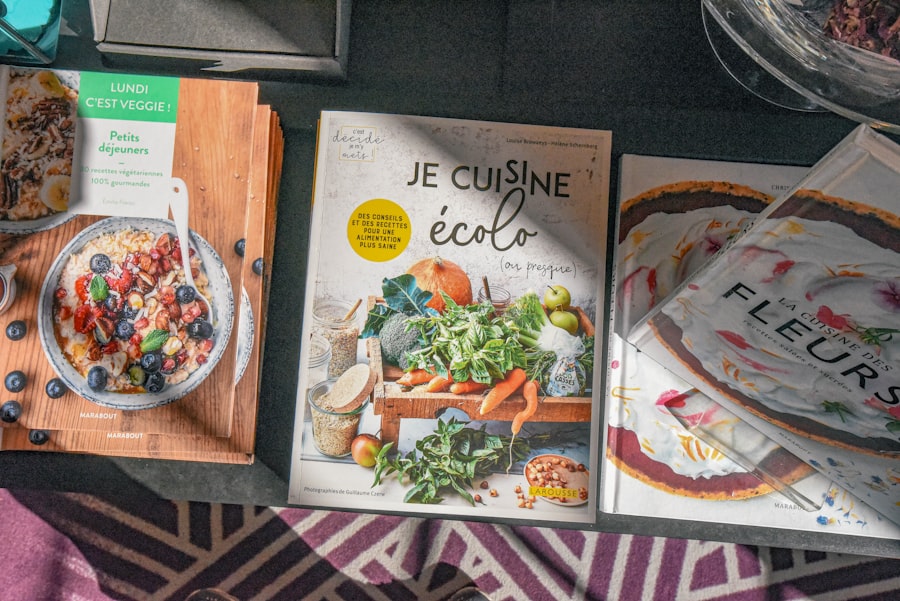
Creating an environment that encourages healthy eating habits in toddlers requires a multifaceted approach. One effective strategy is to involve children in the meal preparation process. When toddlers participate in selecting ingredients or helping with simple cooking tasks, they often feel a sense of ownership over their meals.
Simple tasks such as washing vegetables or stirring ingredients can make them feel like little chefs in the kitchen. Another important aspect is modeling healthy eating behaviors.
Children are keen observers and often mimic the actions of their parents or caregivers. By consistently demonstrating a positive attitude towards a variety of foods, parents can influence their toddlers’ eating habits. For instance, if a parent enjoys a colorful salad or a vibrant fruit smoothie, sharing that experience with their child can pique their interest.
Additionally, maintaining a relaxed atmosphere during mealtimes—free from pressure or distractions—can help toddlers feel more comfortable exploring different foods without anxiety.
Nutritious and Easy Recipes for Picky Eaters
When it comes to crafting meals for picky eaters, simplicity and creativity are key. One delightful recipe that often wins over young palates is the “Rainbow Veggie Wrap.” This dish involves spreading hummus on a whole-grain tortilla and layering it with an array of colorful vegetables such as bell peppers, cucumbers, and shredded carrots. The vibrant colors not only make the wrap visually appealing but also introduce toddlers to various textures and flavors in a non-threatening way.
Cutting the wrap into fun shapes using cookie cutters can further entice little ones to take a bite. Another nutritious option is “Cheesy Quinoa Bites.” These bite-sized snacks combine cooked quinoa with shredded cheese, finely chopped spinach, and eggs, all baked until golden brown. The result is a crispy exterior with a soft interior that is both satisfying and packed with protein and fiber.
These bites can be served as an after-school snack or as part of a balanced meal alongside some fruit or yogurt. By presenting nutritious ingredients in an appealing format, parents can help toddlers develop a taste for healthier options without overwhelming them.
Meal Planning and Portion Control for Toddlers
| Metric | Details |
|---|---|
| Title | Toddler Cookbook: Nutritious Meals for Picky Eaters |
| Target Audience | Parents of toddlers (ages 1-3) |
| Number of Recipes | 75+ nutritious meal ideas |
| Focus | Healthy, balanced meals tailored for picky eaters |
| Meal Types Included | Breakfast, Lunch, Dinner, Snacks |
| Key Nutritional Elements | Vitamins, minerals, protein, fiber |
| Preparation Time | 10-30 minutes per recipe |
| Special Features | Tips for encouraging toddlers to try new foods |
| Format | Printed book and eBook versions |
| Author Expertise | Nutritionist and child feeding specialist |
Effective meal planning is essential for ensuring that toddlers receive balanced nutrition while accommodating their often unpredictable appetites. One practical approach is to create a weekly meal plan that incorporates a variety of food groups—fruits, vegetables, grains, proteins, and dairy—while also considering the preferences of the child. By planning meals ahead of time, parents can avoid the last-minute scramble that often leads to less nutritious choices.
Portion control is another critical aspect of feeding toddlers. Young children have smaller stomachs and may require smaller portions than adults. A helpful guideline is to serve one tablespoon of each food group per year of age; for example, a three-year-old might receive three tablespoons of vegetables or grains at each meal.
This method allows parents to offer a variety of foods without overwhelming their child. Additionally, offering food family-style—where dishes are placed on the table for children to serve themselves—can empower toddlers to choose how much they want to eat while promoting independence.
Introducing New Foods to Picky Eaters
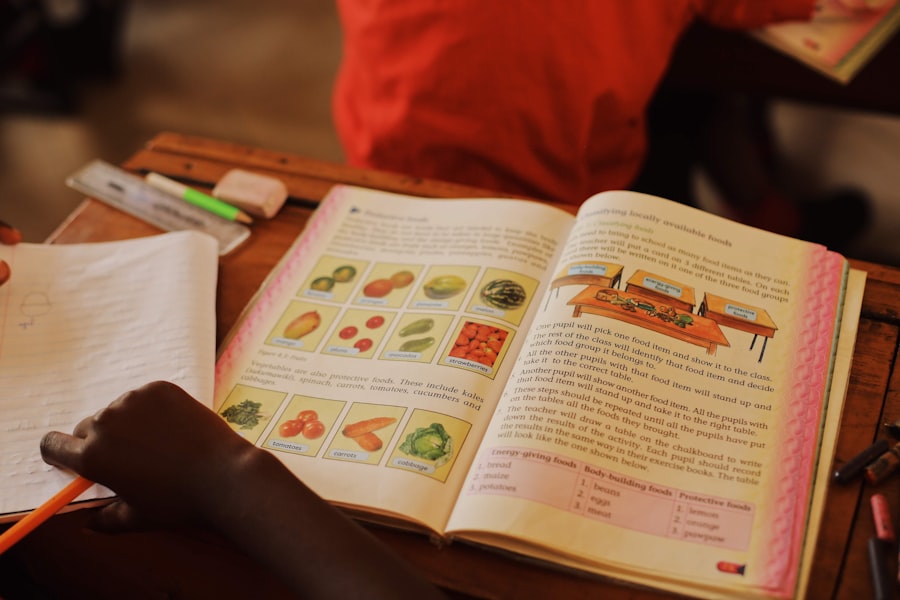
Introducing new foods to picky eaters requires patience and creativity. One effective technique is the “one bite rule,” where parents encourage their toddlers to take at least one bite of a new food before deciding whether they like it or not. This approach helps reduce anxiety around unfamiliar flavors while allowing children to explore new tastes at their own pace.
It’s important for parents to remain positive and supportive during this process; even if the child rejects the food initially, repeated exposure can eventually lead to acceptance. Another strategy involves pairing new foods with familiar favorites. For instance, if a child enjoys macaroni and cheese, parents might consider adding pureed butternut squash or cauliflower into the cheese sauce.
This not only enhances the nutritional value of the dish but also introduces new flavors in a familiar context. Gradually increasing the proportion of the new ingredient over time can help ease toddlers into accepting it without feeling overwhelmed by drastic changes.
Snack Ideas for Picky Eaters
Snacks play an essential role in a toddler’s diet, providing opportunities for additional nutrition throughout the day. However, finding snacks that appeal to picky eaters can be challenging. One popular option is “Fruit Kabobs,” where various fruits such as strawberries, grapes, and melon are threaded onto skewers.
The colorful presentation makes them visually appealing, while the act of assembling kabobs can be an engaging activity for toddlers. Another nutritious snack idea is “Yogurt Parfaits.” Layering yogurt with granola and fruit creates an enticing treat that offers protein and probiotics alongside fiber and vitamins from the fruit. Parents can customize these parfaits based on their child’s preferences by using different types of yogurt or varying the fruit selections.
By providing healthy snacks that are both fun and delicious, parents can help cultivate positive eating habits while satisfying their child’s cravings.
Nurturing Healthy Eating Habits in Toddlers
Fostering healthy eating habits in toddlers is an ongoing journey that requires creativity, patience, and understanding. By utilizing resources such as toddler cookbooks filled with nutritious recipes tailored for picky eaters, parents can navigate this challenging phase with confidence. Understanding the psychology behind picky eating allows caregivers to approach mealtime with empathy while employing strategies that encourage exploration and acceptance of new foods.
Through thoughtful meal planning, portion control, and engaging snack ideas, parents can create an environment that promotes healthy eating habits from an early age. Introducing new foods gradually and involving toddlers in meal preparation can further enhance their willingness to try diverse flavors and textures. Ultimately, nurturing healthy eating habits in toddlers lays the foundation for lifelong wellness and positive relationships with food.
If you’re looking for more delicious and nutritious meal ideas for your little ones, you might find the article on Pot Stickers with Chicken and Chilli Sauce particularly helpful. This recipe not only caters to picky eaters but also introduces them to new flavors in a fun and engaging way. Pairing it with the tips from the “Toddler Cookbook: Nutritious Meals for Picky Eaters” can make mealtime both enjoyable and healthy for your toddlers.
FAQs
What is a toddler cookbook?
A toddler cookbook is a collection of recipes specifically designed to meet the nutritional needs and taste preferences of toddlers, typically children aged 1 to 3 years. These cookbooks focus on easy-to-prepare, healthy meals that appeal to young children.
Why are nutritious meals important for toddlers?
Nutritious meals are crucial for toddlers because this stage involves rapid growth and development. Proper nutrition supports brain development, strengthens the immune system, and helps establish healthy eating habits that can last a lifetime.
How can a toddler cookbook help with picky eaters?
A toddler cookbook often includes recipes that are appealing to picky eaters by incorporating familiar flavors, fun shapes, and varied textures. It also provides strategies for introducing new foods gradually and making mealtime more enjoyable.
What types of meals are typically included in a toddler cookbook?
Meals in a toddler cookbook usually include breakfast options, snacks, lunches, dinners, and sometimes desserts. They emphasize balanced nutrition with appropriate portions of fruits, vegetables, proteins, grains, and dairy.
Are the recipes in a toddler cookbook easy to prepare?
Yes, recipes in toddler cookbooks are generally designed to be simple and quick to prepare, using common ingredients and straightforward cooking methods suitable for busy parents and caregivers.
Can toddler cookbooks accommodate dietary restrictions?
Many toddler cookbooks offer recipes that can be adapted for common dietary restrictions such as allergies, lactose intolerance, or vegetarian preferences. It is important to check each recipe and make substitutions as needed.
How can parents encourage toddlers to try new foods using a cookbook?
Parents can encourage toddlers by involving them in meal preparation, presenting foods in fun and colorful ways, offering small portions of new foods alongside favorites, and maintaining a positive and patient attitude during mealtime.
Is it necessary to follow toddler cookbook recipes exactly?
While following recipes can provide guidance, it is not always necessary to follow them exactly. Parents can adjust ingredients and portion sizes based on their toddler’s preferences, nutritional needs, and any dietary restrictions.
Where can I find a good toddler cookbook?
Toddler cookbooks can be found at bookstores, online retailers, libraries, and through parenting websites. Reviews and recommendations from other parents can help identify reliable and useful cookbooks.
Are toddler cookbooks suitable for children with special nutritional needs?
Some toddler cookbooks are tailored to children with special nutritional needs, but it is important to consult a pediatrician or a registered dietitian to ensure the recipes meet specific health requirements.