


Seasonal cooking is a culinary approach that prioritizes ingredients at their peak freshness and flavor during particular times of the year. This practice improves dish quality while supporting sustainability by decreasing the carbon emissions from transporting produce grown outside its natural season. Using seasonal ingredients allows cooks to prepare meals that showcase each season’s distinctive qualities, utilizing nature’s available resources in a manner that is both flavorful and environmentally responsible.
Seasonal cooking practices have historical roots in traditional cuisines worldwide. Many food cultures developed around the seasonal availability of local ingredients, creating diverse flavor profiles and cooking methods specific to different regions. Mediterranean cuisines, for example, rely heavily on seasonal harvests of olives, tomatoes, and citrus fruits, while Asian cuisines often feature fresh herbs and vegetables suited to particular climates.
By recognizing these seasonal patterns, cooks can expand their cooking skills and develop a stronger understanding of the ingredients they use.
Key Takeaways
- Seasonal cooking highlights the use of fresh, locally available ingredients throughout the year.
- Spring recipes focus on light, fresh produce like asparagus and peas.
- Summer recipes emphasize vibrant fruits and vegetables such as tomatoes and berries.
- Fall recipes incorporate hearty ingredients like squash and root vegetables.
- Winter recipes feature warming dishes using ingredients like citrus and root vegetables.
Spring Recipes
As winter melts away, spring brings a vibrant array of fresh produce that invigorates the palate. One quintessential spring dish is asparagus risotto, which showcases tender asparagus spears that are at their peak during this season. The creamy texture of the risotto pairs beautifully with the bright, grassy notes of the asparagus, creating a dish that is both comforting and refreshing.
To prepare this dish, one can start by sautéing onions and garlic in olive oil, then gradually adding Arborio rice and vegetable broth while stirring continuously. As the rice absorbs the liquid, fresh asparagus can be added towards the end of cooking to maintain its crispness. Another delightful spring recipe is a strawberry spinach salad, which combines sweet, juicy strawberries with peppery baby spinach leaves.
This salad can be elevated with the addition of crumbled feta cheese and toasted walnuts for a satisfying crunch. A simple vinaigrette made from balsamic vinegar, honey, and olive oil ties the flavors together beautifully. The combination of sweet and savory elements in this dish not only highlights the freshness of spring produce but also makes for a visually appealing presentation that is perfect for gatherings or picnics.
Summer Recipes
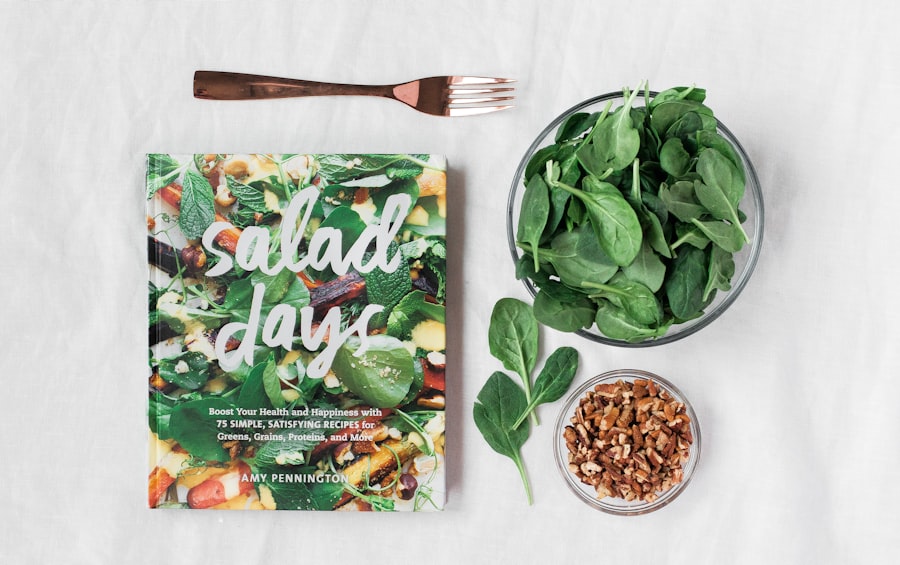
Summer is synonymous with an abundance of colorful fruits and vegetables, making it a prime time for vibrant salads and grilled dishes. One standout summer recipe is a classic caprese salad, which features ripe tomatoes, fresh mozzarella, and fragrant basil. The simplicity of this dish allows each ingredient to shine, and drizzling it with high-quality extra virgin olive oil and balsamic reduction enhances its flavors.
The key to a perfect caprese salad lies in selecting the ripest tomatoes and the freshest mozzarella available, as these elements are crucial for achieving that quintessential summer taste.
Marinating these vegetables in a mixture of olive oil, garlic, and herbs before grilling them adds depth to their natural flavors.
Once grilled to perfection, these vegetables can be served as a side dish or tossed into pasta for a hearty summer meal. The charred edges provide a delightful smokiness that complements the sweetness of the vegetables, making it a favorite among summer fare.
Fall Recipes
As the leaves begin to change color and temperatures drop, fall ushers in a new array of ingredients that evoke warmth and comfort. One iconic fall dish is butternut squash soup, which captures the essence of the season with its rich, creamy texture and sweet flavor profile. To prepare this soup, one can roast cubed butternut squash until caramelized before blending it with sautéed onions, garlic, and vegetable broth.
A touch of nutmeg or cinnamon can be added for warmth, creating a cozy dish that is perfect for chilly evenings. Another fall favorite is apple crisp, which takes advantage of the season’s apple harvest. This dessert combines tart apples with a crumbly topping made from oats, flour, butter, and brown sugar.
The contrast between the warm spiced apples and the crunchy topping creates a delightful texture that is hard to resist. Serving it warm with a scoop of vanilla ice cream elevates this classic dessert to new heights. The use of seasonal apples not only enhances the flavor but also supports local orchards during their peak harvest time.
Winter Recipes
| Season | Number of Recipes | Popular Ingredients | Average Preparation Time (minutes) | Recommended Cooking Method |
|---|---|---|---|---|
| Spring | 25 | Asparagus, Peas, Radishes, Lamb | 30 | Steaming, Grilling |
| Summer | 30 | Tomatoes, Zucchini, Berries, Corn | 25 | Grilling, Chilling |
| Autumn | 28 | Pumpkin, Apples, Squash, Root Vegetables | 40 | Roasting, Baking |
| Winter | 22 | Root Vegetables, Citrus, Cabbage, Beef | 45 | Slow Cooking, Braising |
Winter cooking often revolves around hearty ingredients that provide warmth and sustenance during the colder months. One beloved winter recipe is beef stew, which showcases root vegetables like carrots, potatoes, and parsnips alongside tender chunks of beef simmered in a rich broth. The slow-cooking process allows the flavors to meld beautifully while tenderizing the meat.
Herbs such as thyme and bay leaves add aromatic depth to this comforting dish, making it a staple for family gatherings during winter. Another winter classic is citrus salad, which brightens up dreary winter days with its vibrant colors and refreshing flavors. Utilizing seasonal citrus fruits like oranges, grapefruits, and blood oranges creates a visually stunning dish that bursts with flavor.
A simple dressing made from olive oil and honey enhances the natural sweetness of the fruit while adding a touch of richness. This salad not only provides a refreshing contrast to heavier winter meals but also offers a boost of vitamin C during cold and flu season.
Tips for Cooking with Seasonal Ingredients
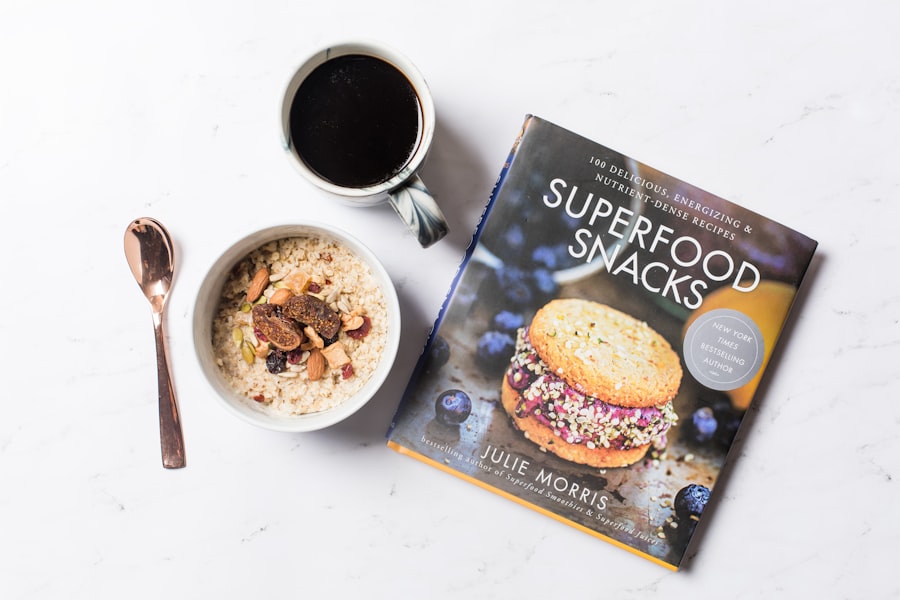
Cooking with seasonal ingredients requires an understanding of what is available at different times of the year. One effective strategy is to visit local farmers’ markets or join community-supported agriculture (CSA) programs. These avenues provide access to fresh produce while supporting local farmers.
Engaging directly with producers allows cooks to ask questions about how to best prepare certain ingredients or discover lesser-known varieties that may not be available in grocery stores. Another tip for successful seasonal cooking is to embrace flexibility in meal planning. Seasonal ingredients can vary week by week based on weather conditions and harvests; therefore, being open to adjusting recipes based on what is available can lead to exciting culinary discoveries.
For instance, if a recipe calls for zucchini but only eggplant is available at the market, substituting eggplant can lead to new flavor combinations and textures that may not have been considered otherwise.
Benefits of Seasonal Cooking
The benefits of seasonal cooking extend beyond just flavor; they encompass health, environmental sustainability, and economic advantages as well. Consuming seasonal produce often means eating food that is fresher and more nutrient-dense since it has not been stored for long periods or transported over long distances. Fresh fruits and vegetables retain more vitamins and minerals compared to those that have been shipped from far-off locations or stored for extended periods.
From an environmental perspective, seasonal cooking reduces reliance on out-of-season produce that requires significant energy for transportation and storage. By choosing local ingredients that are in season, cooks contribute to lower carbon emissions associated with food transport while also supporting local economies. This practice fosters a sense of community as consumers become more connected to their food sources and gain an appreciation for local agricultural practices.
Embracing the Flavors of Every Season
Embracing seasonal cooking allows individuals to experience the full spectrum of flavors that each season has to offer while promoting sustainable practices that benefit both health and the environment. By exploring recipes that highlight seasonal ingredients—from spring’s vibrant greens to winter’s hearty root vegetables—cooks can create meals that are not only delicious but also reflective of nature’s rhythms. This culinary journey encourages creativity in the kitchen as one learns to adapt recipes based on what is available at any given time.
Ultimately, seasonal cooking fosters a deeper connection between people and their food while celebrating the diversity of flavors throughout the year. By prioritizing fresh ingredients and local produce, individuals can enjoy meals that are not only nourishing but also rich in cultural significance and environmental responsibility. As each season unfolds, there lies an opportunity to explore new recipes and rediscover beloved classics—each bite serving as a reminder of nature’s ever-changing bounty.
If you’re looking to enhance your seasonal cooking repertoire, you might find inspiration in the delightful in/summer-panzanella-salad-recipe-with-pesto-vinaigrette/’>Summer Panzanella Salad Recipe with Pesto Vinaigrette.
This vibrant dish captures the essence of summer with its fresh ingredients and zesty flavors, making it a perfect complement to the diverse recipes featured in the “Seasonal Cookbook: Recipes for Every Time of Year.” Whether you’re enjoying a sunny picnic or a casual dinner, this salad is sure to elevate your seasonal dining experience.
FAQs
What is a seasonal cookbook?
A seasonal cookbook is a collection of recipes organized around the different seasons of the year. It focuses on using ingredients that are fresh and readily available during each specific season, such as spring, summer, fall, and winter.
Why should I use seasonal recipes?
Using seasonal recipes ensures that you are cooking with the freshest ingredients, which often taste better and are more nutritious. Seasonal cooking can also be more cost-effective and environmentally friendly, as it supports local agriculture and reduces the need for long-distance transportation.
What types of recipes are included in a seasonal cookbook?
A seasonal cookbook typically includes a variety of recipes such as appetizers, main courses, side dishes, desserts, and beverages that highlight seasonal produce and flavors appropriate for each time of year.
How do seasonal cookbooks help with meal planning?
Seasonal cookbooks provide guidance on what ingredients are in season, making it easier to plan meals that are fresh and varied throughout the year. They can inspire creativity and help home cooks take advantage of seasonal availability.
Can seasonal cookbooks accommodate dietary restrictions?
Many seasonal cookbooks include recipes that cater to various dietary needs, such as vegetarian, vegan, gluten-free, or low-carb options. However, it depends on the specific cookbook, so it’s important to check if it aligns with your dietary preferences.
Are seasonal cookbooks suitable for beginners?
Yes, many seasonal cookbooks are designed for cooks of all skill levels. They often include clear instructions, tips for ingredient substitutions, and guidance on cooking techniques to help beginners succeed.
How do I know which ingredients are in season?
Seasonal cookbooks usually provide information about which fruits, vegetables, and other ingredients are at their peak during each season. Additionally, local farmers’ markets and produce guides can help identify seasonal ingredients in your area.
Can I use a seasonal cookbook if I live in a different climate?
Yes, but you may need to adjust recipes based on the availability of local produce in your region. Some seasonal cookbooks focus on specific climates or regions, so choosing one that matches your location can be helpful.
What are the benefits of cooking seasonally?
Cooking seasonally can enhance the flavor and nutritional value of meals, support local farmers, reduce environmental impact, and encourage a varied and balanced diet throughout the year.
Where can I find a seasonal cookbook?
Seasonal cookbooks are available at bookstores, online retailers, libraries, and sometimes through cooking websites or apps. Many authors and chefs publish seasonal cookbooks that can be purchased in print or digital formats.