


Creme de cacao, a sweet chocolate-flavored liqueur, has a rich and intriguing history that dates back to the 17th century. The origins of this delightful spirit can be traced to the early days of chocolate consumption in Europe, particularly in France and Spain. Initially, chocolate was consumed as a bitter beverage, often spiced with various ingredients.
However, as the popularity of chocolate grew, so did the experimentation with its flavors.
The term “creme de cacao” itself emerged in the 19th century, as distillers sought to refine their recipes and create a more palatable product.
The liqueur became particularly popular in France, where it was often used in cocktails and desserts. The production methods evolved over time, with distillers experimenting with different types of cacao beans and sweetening agents. By the late 1800s, creme de cacao had established itself as a staple in bars and kitchens alike, paving the way for its enduring presence in the world of mixology and confectionery.
Key Takeaways
- Creme de Cacao is a sweet, chocolate-flavored liqueur with a rich history dating back centuries.
- It is made by infusing cocoa beans with alcohol and adding sugar, resulting in both clear and dark varieties.
- Creme de Cacao is a key ingredient in many classic cocktails and desserts, enhancing flavor with its chocolate notes.
- It pairs well with foods like fruits, nuts, and cheeses, complementing both sweet and savory dishes.
- Enjoying Creme de Cacao responsibly involves moderation and awareness of its alcohol content.
How Creme de Cacao is Made
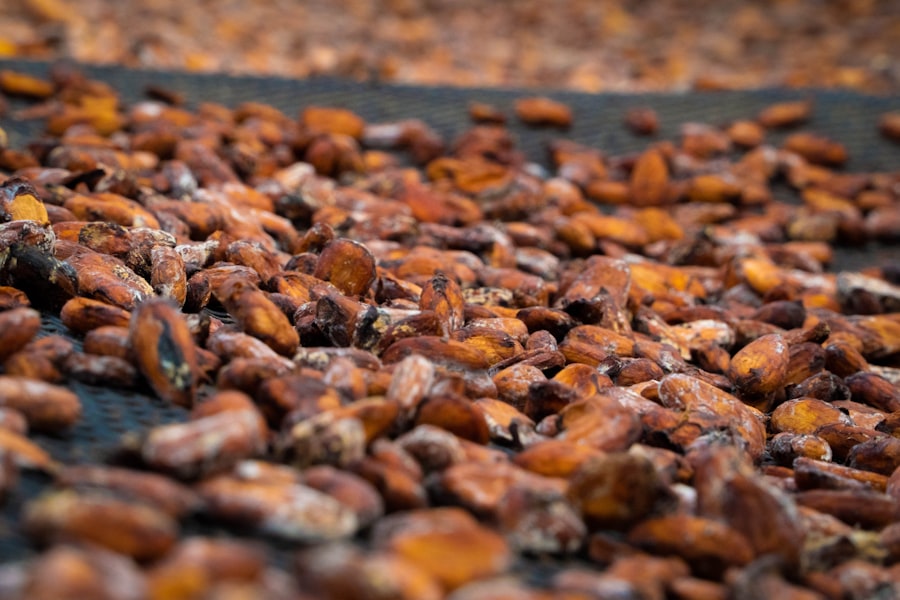
The production of creme de cacao involves a meticulous process that combines the art of distillation with the science of flavor extraction. The primary ingredient, cacao beans, are sourced from various regions known for their high-quality chocolate production, such as West Africa and South America. Once harvested, the beans undergo fermentation and drying before being roasted to bring out their rich flavors.
The roasting process is crucial, as it enhances the aromatic compounds that will later infuse the liqueur. After roasting, the cacao beans are crushed and steeped in a neutral spirit, typically vodka or grain alcohol. This steeping process allows the alcohol to extract the essential oils and flavors from the cacao.
Depending on the desired profile of the final product, additional ingredients such as vanilla beans or sugar may be added during this stage. The mixture is then filtered to remove solid particles before being sweetened to achieve the characteristic creamy texture that defines creme de cacao. Finally, the liqueur is bottled and aged for a short period to allow the flavors to meld before it reaches consumers.
Different Varieties of Creme de Cacao
Creme de cacao is available in two primary varieties: white (or clear) and dark. Each variety offers a distinct flavor profile and visual appeal, catering to different preferences and uses in cocktails and desserts. White creme de cacao is typically made with lighter cacao beans and has a more delicate flavor, often described as sweet and floral.
Its clarity makes it an attractive addition to cocktails where a light color is desired, allowing for vibrant presentation without overpowering other ingredients. On the other hand, dark creme de cacao boasts a richer, more robust flavor profile due to the use of darker cacao beans and sometimes additional caramel coloring. This variety tends to have a deeper chocolate taste, making it ideal for indulgent desserts or cocktails that require a more pronounced chocolate presence.
Both varieties can be used interchangeably in many recipes, but understanding their differences allows bartenders and home cooks to select the right one for their specific needs.
Cocktails and Desserts Featuring Creme de Cacao
Creme de cacao has earned its place as a versatile ingredient in both cocktails and desserts, showcasing its ability to enhance flavors and add a touch of sweetness. In mixology, classic cocktails such as the Brandy Alexander and Grasshopper highlight the liqueur’s creamy texture and chocolate notes. The Brandy Alexander combines brandy, creme de cacao, and cream, resulting in a luxurious drink that is both rich and satisfying.
The Grasshopper, on the other hand, features equal parts green creme de menthe and white creme de cacao mixed with cream, creating a vibrant green cocktail that is visually striking and deliciously minty. In the realm of desserts, creme de cacao can elevate a variety of sweet treats. It is often used in chocolate mousse recipes to enhance the chocolate flavor while adding an extra layer of sweetness.
Additionally, it can be incorporated into cakes, brownies, or even ice creams for a decadent twist. For instance, a chocolate cake infused with dark creme de cacao can create an indulgent dessert that pairs beautifully with whipped cream or fresh berries. The versatility of creme de cacao allows it to shine in both liquid and solid forms, making it a favorite among chefs and home bakers alike.
Pairing Creme de Cacao with Food
| Metric | Value | Unit |
|---|---|---|
| Alcohol Content | 20-25 | % ABV |
| Calories | 103 | kcal per 1.5 oz |
| Type | Chocolate Liqueur | – |
| Primary Flavor | Cocoa | – |
| Common Uses | Cocktails, Desserts | – |
| Origin | France | – |
When it comes to food pairings, creme de cacao’s rich chocolate flavor opens up a world of culinary possibilities. Its sweetness complements a variety of dishes, particularly those featuring chocolate or vanilla. For example, desserts like chocolate tarts or panna cotta can be enhanced with a drizzle of creme de cacao or used as an ingredient in sauces that accompany these treats.
The liqueur’s creamy texture also makes it an excellent addition to coffee-based desserts or beverages, providing a delightful contrast to bitter notes. Beyond desserts, creme de cacao can also be paired with savory dishes in unexpected ways.
The sweetness of creme de cacao can balance out rich flavors while adding depth to the overall dish. Additionally, cheese pairings can be explored; creamy cheeses like mascarpone or brie can be complemented by a splash of creme de cacao in a cheese board setting, creating an intriguing contrast between sweet and savory.
Creme de Cacao in Popular Culture

Creme de cacao has made its mark not only in culinary circles but also in popular culture, appearing in literature, film, and music over the years. Its association with indulgence and luxury has made it a favored ingredient among characters seeking pleasure or escape. In classic films from Hollywood’s golden age, characters often enjoyed cocktails featuring creme de cacao at glamorous parties or intimate gatherings, reinforcing its image as a sophisticated choice for discerning palates.
Moreover, contemporary media continues to celebrate this liqueur through various channels. Bartenders frequently showcase innovative cocktails featuring creme de cacao on social media platforms like Instagram and TikTok, where visually appealing drinks capture audiences’ attention. Additionally, cooking shows often highlight its use in decadent dessert recipes, further solidifying its status as a beloved ingredient among both professional chefs and home cooks alike.
Health Benefits of Creme de Cacao
While creme de cacao is primarily enjoyed for its delightful taste rather than its health benefits, it does contain some components that may offer certain advantages when consumed in moderation. Cacao itself is known for its high levels of flavonoids—antioxidants that have been linked to various health benefits such as improved heart health and enhanced mood. These compounds can help reduce inflammation and improve blood flow when included as part of a balanced diet.
Furthermore, some studies suggest that moderate consumption of dark chocolate products may contribute to improved cognitive function due to their flavonoid content. Since dark creme de cacao retains some of these beneficial properties from its cacao base, it could potentially offer similar effects when enjoyed responsibly. However, it is essential to remember that creme de cacao is still an alcoholic beverage with added sugars; thus, moderation is key to reaping any potential health benefits while avoiding excessive calorie intake.
Tips for Enjoying Creme de Cacao Responsibly
To fully appreciate the nuances of creme de cacao while enjoying it responsibly, there are several tips worth considering. First and foremost is moderation; while this liqueur can enhance cocktails and desserts beautifully, excessive consumption can lead to unwanted effects associated with alcohol intake. It’s advisable to savor each sip or bite rather than indulging excessively at once.
When mixing cocktails or preparing desserts with creme de cacao, consider balancing its sweetness with other flavors to create a well-rounded experience. For instance, pairing it with citrus elements like lemon or orange can provide a refreshing contrast that enhances both flavors without overwhelming the palate. Additionally, experimenting with different varieties—white versus dark—can lead to exciting discoveries about how each impacts your favorite recipes.
Lastly, always be mindful of your surroundings when enjoying alcoholic beverages like creme de cacao. Whether at home or out at social gatherings, being aware of your limits ensures that you can enjoy this delightful liqueur without compromising your well-being or safety. By following these guidelines, you can indulge in the rich flavors of creme de cacao while maintaining a responsible approach to your enjoyment.
Creme de cacao is a delightful chocolate-flavored liqueur that can elevate various cocktails and desserts. If you’re looking for a refreshing dish to pair with your favorite chocolatey drinks, consider trying a quinoa salad that combines the nutty flavor of hazelnuts with the sweetness of apples and dried cranberries. You can find the recipe for this delicious salad in the article here.
FAQs
What is crème de cacao?
Crème de cacao is a sweet, chocolate-flavored liqueur made from cocoa beans, vanilla, and other flavorings. It is typically clear or brown in color and is used in various cocktails and desserts.
What is the alcohol content of crème de cacao?
Crème de cacao usually has an alcohol by volume (ABV) ranging from 20% to 25%, depending on the brand and type.
What are the different types of crème de cacao?
There are two main types of crème de cacao: clear (white) and dark (brown). The clear version is filtered to remove color, while the dark version retains the natural color from the cocoa beans and additional caramel coloring.
How is crème de cacao made?
Crème de cacao is made by infusing cocoa beans and vanilla with a neutral spirit, then sweetening the mixture with sugar. The liqueur is aged and filtered to achieve the desired flavor and clarity.
What cocktails commonly use crème de cacao?
Crème de cacao is used in classic cocktails such as the Brandy Alexander, Chocolate Martini, and Grasshopper. It adds a rich chocolate flavor to mixed drinks.
Can crème de cacao be used in cooking or baking?
Yes, crème de cacao can be used to add chocolate flavor to desserts, sauces, and baked goods. It is often used in recipes for cakes, mousses, and chocolate sauces.
Is crème de cacao gluten-free?
Most crème de cacao liqueurs are gluten-free, but it is important to check the label or contact the manufacturer to confirm, especially if you have gluten sensitivities or celiac disease.
How should crème de cacao be stored?
Crème de cacao should be stored in a cool, dark place away from direct sunlight. Once opened, it is best kept tightly sealed and can last for several years without significant loss of flavor.
What is the difference between crème de cacao and chocolate liqueur?
Crème de cacao is a specific type of chocolate-flavored liqueur that is sweetened and often used in cocktails. Chocolate liqueurs may vary in sweetness, alcohol content, and flavor intensity, and not all are labeled as crème de cacao.
Can crème de cacao be consumed straight?
While crème de cacao can be sipped neat or on the rocks, it is most commonly used as an ingredient in cocktails or desserts due to its sweetness and strong chocolate flavor.