


Indian desserts, known for their rich flavors and diverse ingredients, play a significant role in the culinary landscape of the country. These sweets are often prepared during festivals, celebrations, and special occasions, reflecting the cultural heritage and regional diversity of India. The variety of Indian desserts is vast, ranging from milk-based sweets to those made with flour, nuts, and fruits. Each region has its own specialties, influenced by local ingredients and traditions, making Indian desserts a fascinating subject for exploration.
The preparation of these sweets often involves intricate techniques and a deep understanding of flavors. Ingredients such as sugar, jaggery, ghee, and various spices are commonly used, contributing to the unique taste profiles that characterize Indian desserts. The art of making these sweets is often passed down through generations, with families having their own cherished recipes. As a result, Indian desserts not only satisfy the palate but also serve as a means of preserving cultural identity and familial bonds.
If you’re exploring the delightful world of Indian desserts, you might also be interested in a refreshing twist on flavors with a Middle Eastern influence. Check out this article on a delicious Moroccan Warm Squash and Chickpea Salad with Tahini, which offers a perfect balance to the sweetness of traditional Indian treats like Gulab Jamun. This salad combines hearty ingredients and zesty tahini, making it an excellent complement to your dessert spread.
Key Takeaways
- Indian desserts offer a rich variety of flavors and cultural significance.
- Gulab Jamun is a classic and beloved Indian sweet with many regional variations.
- Other popular Indian desserts include Jalebi, Rasgulla, and Kheer.
- Regional specialties highlight the diverse culinary traditions across India.
- Modern adaptations and home-cooking tips make Indian desserts accessible to all.
The Classic Gulab Jamun Recipe
Gulab Jamun is one of the most iconic Indian desserts, celebrated for its soft texture and sweet syrup. The traditional recipe involves a few key ingredients: khoya (reduced milk), all-purpose flour, baking powder, and sugar. To begin, khoya is kneaded with flour and a pinch of baking powder to form a smooth dough. Small balls are then shaped from this dough, which are deep-fried until golden brown. The fried balls are subsequently soaked in a sugar syrup flavored with cardamom and rose water, allowing them to absorb the sweetness.
The process of making Gulab Jamun requires attention to detail, particularly when frying the dough balls.
Maintaining the right oil temperature is crucial; if the oil is too hot, the exterior will brown too quickly while the inside remains uncooked.
Conversely, if the oil is not hot enough, the balls may absorb excess oil and become greasy.
Once fried to perfection, the Gulab Jamun should be allowed to soak in the syrup for several hours or overnight to achieve the desired flavor and texture.
Variations of Gulab Jamun
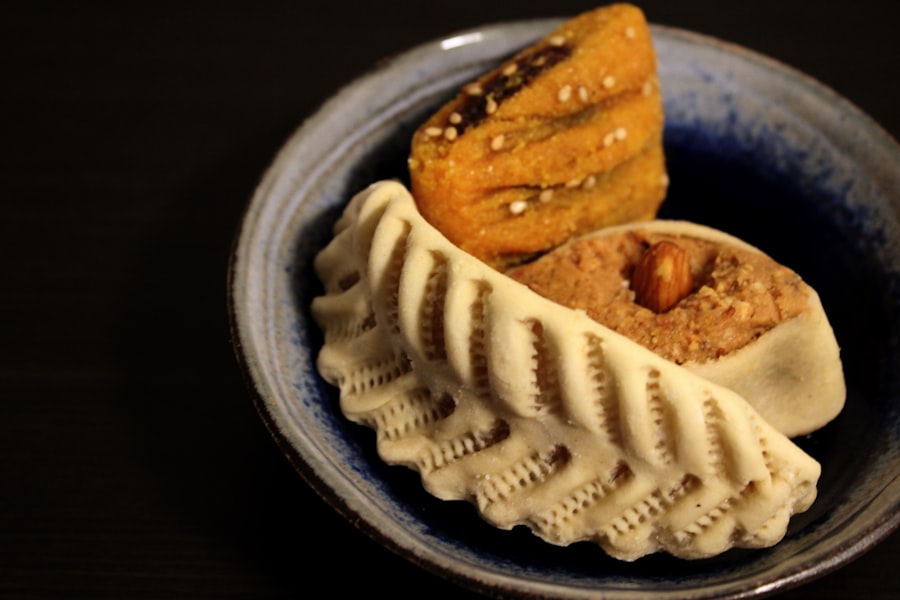
While the classic Gulab Jamun remains a favorite, numerous variations have emerged over time, each offering a unique twist on the traditional recipe. One popular variation is the use of different types of flour or ingredients in place of khoya. For instance, some recipes utilize paneer (Indian cottage cheese) or even instant mix powders designed specifically for Gulab Jamun preparation. These alternatives can yield different textures and flavors while still maintaining the essence of the original dessert.
Another interesting variation is the addition of flavors or fillings within the Gulab Jamun itself. Some cooks incorporate nuts or dried fruits into the dough before frying, while others may fill the balls with a mixture of chocolate or flavored cream. Additionally, regional adaptations can be found across India; for example, in some areas, Gulab Jamun is served with a drizzle of rabri (a thickened milk dessert) or garnished with saffron strands for added richness.
Other Popular Indian Desserts
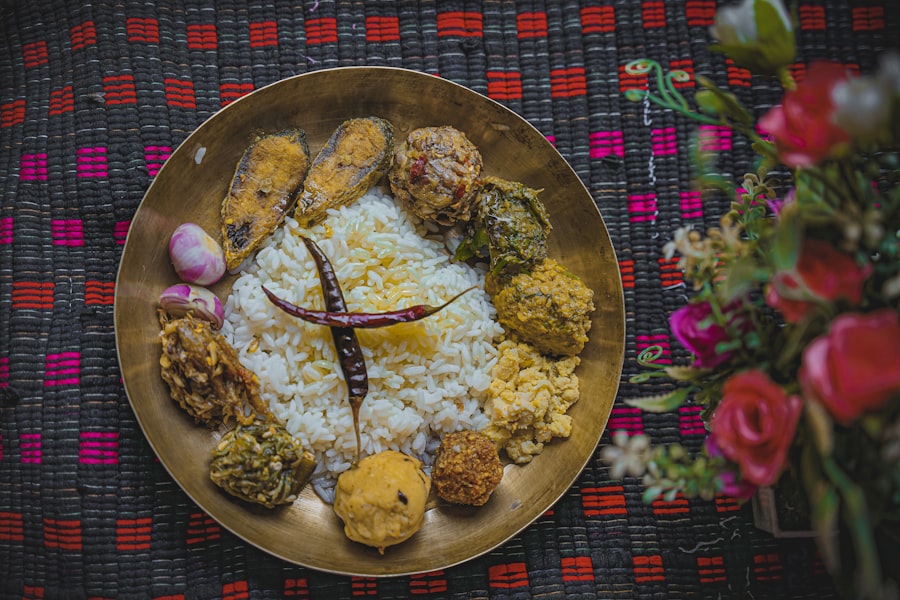
Beyond Gulab Jamun, Indian cuisine boasts an extensive array of desserts that cater to various tastes and preferences. One such dessert is Jalebi, a spiral-shaped sweet made from fermented batter that is deep-fried and then soaked in sugar syrup. Its crispy exterior and syrupy interior make it a popular choice among those with a penchant for sweets. Another well-known dessert is Rasgulla, originating from West Bengal, which consists of soft cheese balls soaked in light sugar syrup.
Kheer is another staple dessert in Indian households, made by simmering rice or vermicelli in milk and sweetening it with sugar. It is often flavored with cardamom and garnished with nuts and raisins. Additionally, Barfi—a dense milk-based sweet—comes in various flavors such as coconut, pistachio, and chocolate. Each of these desserts showcases different cooking techniques and ingredients while contributing to the rich tapestry of Indian sweets.
If you’re looking to explore more delightful Indian dessert recipes beyond the classic gulab jamun, you might find inspiration in a variety of other dishes that showcase the rich flavors of Indian cuisine. One such article that complements your sweet journey is about refreshing summer salads, which can be a perfect balance to the indulgence of desserts. Check out this interesting take on a summer salad that features tomatoes, corn, and summer squash, which can serve as a light accompaniment to your meal. You can read more about it here.
Regional Indian Desserts
| Recipe | Main Ingredients | Preparation Time | Cooking Time | Sweetness Level | Calories (per serving) | Region of Popularity |
|---|---|---|---|---|---|---|
| Gulab Jamun | Khoya, Sugar Syrup, Cardamom | 20 minutes | 15 minutes | High | 300 | All India |
| Rasgulla | Chenna, Sugar Syrup | 30 minutes | 20 minutes | Medium | 250 | West Bengal, Odisha |
| Kheer | Rice, Milk, Sugar, Cardamom | 10 minutes | 40 minutes | Medium | 200 | All India |
| Jalebi | Flour, Sugar Syrup, Saffron | 15 minutes | 10 minutes | High | 350 | North India |
| Sandesh | Chenna, Sugar, Cardamom | 25 minutes | 0 minutes (no cooking) | Low | 180 | West Bengal |
India’s vast geography and cultural diversity result in a wide range of regional desserts that reflect local traditions and ingredients. In South India, for example, Payasam is a beloved dessert made from rice or lentils cooked in milk and flavored with jaggery and cardamom. This dish varies significantly from state to state, with each region adding its own unique touch.
In contrast, North India is known for its rich milk-based sweets like Peda and Burfi. Peda is often flavored with cardamom and garnished with nuts, while Burfi can be made from various ingredients such as coconut or besan (gram flour). Meanwhile, in Gujarat, one can find Doodhpak—a rice pudding made with milk and flavored with saffron—showcasing the region’s affinity for dairy-based desserts. Each regional specialty not only highlights local ingredients but also tells a story about the culture and traditions of its people.
If you’re exploring the delightful world of Indian desserts, you might want to check out the article on Gulab Jamun and Beyond, which showcases a variety of traditional sweets. To complement your dessert repertoire, consider trying your hand at making chocolate brownies, a classic treat that can be enjoyed by all. You can find a fantastic recipe for these rich and fudgy brownies in this article, perfect for satisfying your sweet tooth alongside your Indian dessert creations.
Modern Twists on Traditional Indian Desserts
In recent years, there has been a growing trend of modernizing traditional Indian desserts to cater to contemporary tastes and dietary preferences. Chefs and home cooks alike are experimenting with fusion recipes that blend Indian flavors with global influences. For instance, one might find Gulab Jamun cheesecakes or Rasgulla ice cream on menus at innovative restaurants.
Additionally, health-conscious adaptations have emerged as well. Many cooks are substituting traditional ingredients with healthier alternatives; for example, using almond flour instead of all-purpose flour or opting for natural sweeteners like honey or agave syrup instead of refined sugar. These modern twists not only make Indian desserts more accessible to a wider audience but also allow for creative expression within traditional frameworks.
Tips for Making Indian Desserts at Home
For those interested in trying their hand at making Indian desserts at home, there are several tips that can enhance the experience and outcome. First and foremost, sourcing quality ingredients is essential; fresh khoya or high-quality milk can significantly impact the flavor of sweets like Gulab Jamun or Kheer. Additionally, patience is key when preparing these desserts; many require time for soaking or cooling to achieve optimal taste and texture.
Another important aspect is mastering cooking techniques. For instance, when frying dough balls for Gulab Jamun, it’s advisable to test one ball first to ensure proper cooking times and oil temperature before proceeding with larger batches. Furthermore, following recipes closely—especially when it comes to measurements—can help ensure consistency in results. Finally, don’t hesitate to experiment with flavors or presentations; personal touches can make homemade desserts even more special.
Exploring the Sweet World of Indian Desserts
The world of Indian desserts is as diverse as it is delicious, offering a wide range of flavors and textures that appeal to many palates. From classic treats like Gulab Jamun to regional specialties that reflect local traditions, these sweets are an integral part of India’s culinary heritage. As modern adaptations continue to emerge alongside traditional recipes, there remains ample opportunity for exploration and innovation within this sweet domain.
Whether enjoyed during festive occasions or as everyday treats, Indian desserts hold a special place in the hearts of many. They not only provide a satisfying end to meals but also serve as a means of connecting with culture and family traditions. As more people discover the joys of making and sharing these sweets at home, the legacy of Indian desserts will undoubtedly continue to thrive for generations to come.
FAQs
What is Gulab Jamun?
Gulab Jamun is a popular Indian dessert made from deep-fried dough balls, traditionally made of milk solids, which are soaked in a sweet sugar syrup flavored with cardamom, rose water, or saffron.
What are some common ingredients used in Indian desserts like Gulab Jamun?
Common ingredients include milk solids (khoya or milk powder), sugar, flour, ghee or oil for frying, and flavorings such as cardamom, rose water, saffron, and sometimes nuts or dried fruits.
Are there variations of Gulab Jamun in different regions of India?
Yes, there are regional variations of Gulab Jamun. Some versions use paneer (Indian cottage cheese) instead of khoya, while others may have different syrup flavors or fillings like nuts or dried fruits.
What are some other popular Indian desserts besides Gulab Jamun?
Other popular Indian desserts include Rasgulla, Jalebi, Kheer (rice pudding), Barfi, Ladoo, and Sandesh, each with unique ingredients and preparation methods.
Can Indian desserts like Gulab Jamun be made gluten-free?
Yes, Indian desserts like Gulab Jamun can be made gluten-free by using alternative flours such as chickpea flour or rice flour instead of wheat flour, and ensuring all other ingredients are gluten-free.