


In recent years, gluten-free diets have gained significant attention, driven by a growing awareness of celiac disease and gluten sensitivity. As more individuals seek to eliminate gluten from their diets, the concept of gluten-free meal prep has emerged as a practical solution for maintaining a balanced and nutritious lifestyle. Meal prep involves planning and preparing meals in advance, which can save time, reduce food waste, and ensure that dietary restrictions are met without compromising on flavor or variety.
Gluten-free meal prep is particularly beneficial for those who may struggle to find convenient options that align with their dietary needs. By preparing meals ahead of time, individuals can avoid the temptation of gluten-containing foods and ensure they have healthy, satisfying options readily available. This approach not only simplifies daily meal choices but also encourages creativity in the kitchen, allowing for the exploration of diverse ingredients and flavors that are naturally gluten-free.
If you’re looking to expand your gluten-free meal prep options, you might find inspiration in this delicious recipe for crispy salmon with corn, blackberry, and shishito salad. This dish not only complements your gluten-free meal plan but also adds a burst of flavor and nutrition to your weekly menu. For more details, check out the article here: Crispy Salmon with Corn, Blackberry, and Shishito Salad.
Key Takeaways
- Gluten-free meal prep helps maintain a healthy diet for those with gluten sensitivities or celiac disease.
- Breakfast recipes focus on easy, nutritious options that are naturally gluten-free.
- Lunch and dinner recipes emphasize balanced meals with gluten-free grains, proteins, and vegetables.
- Snacks and desserts include tasty gluten-free alternatives to satisfy cravings without gluten.
- Successful gluten-free meal prep requires careful ingredient selection and planning to avoid cross-contamination.
Breakfast Gluten-Free Meal Prep Recipes
Breakfast is often touted as the most important meal of the day, and gluten-free meal prep can help ensure that this meal is both nutritious and enjoyable. One popular option is overnight oats, which can be easily customized to suit individual tastes. By combining gluten-free oats with almond milk or coconut milk, along with fruits, nuts, and seeds, individuals can create a variety of flavor profiles.
Preparing several jars at once allows for quick grab-and-go breakfasts throughout the week.
Another breakfast idea is egg muffins, which are versatile and easy to make in bulk. By whisking together eggs with vegetables such as spinach, bell peppers, and onions, and pouring the mixture into muffin tins, one can create portable breakfast portions. These egg muffins can be stored in the refrigerator and reheated as needed, providing a protein-rich start to the day that is free from gluten.
Lunch Gluten-Free Meal Prep Recipes
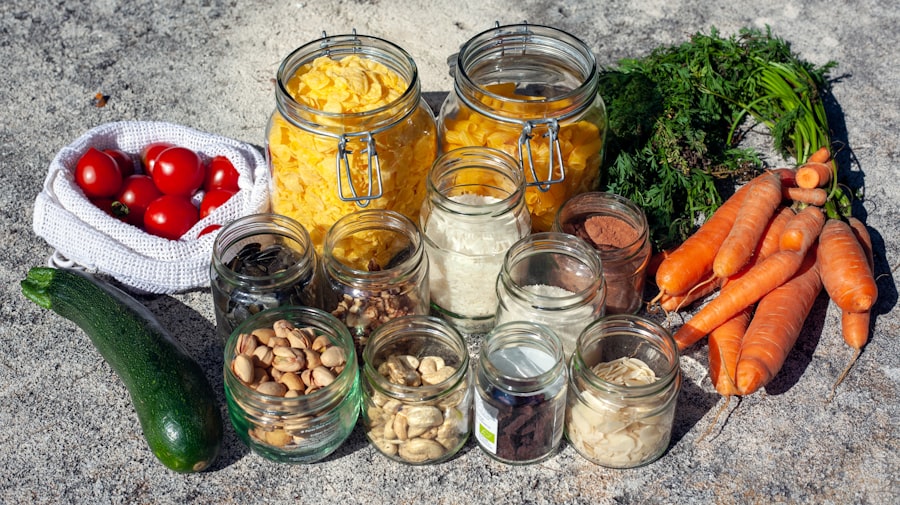
For lunch, gluten-free meal prep can include a range of salads and grain bowls that are both filling and nutritious. Quinoa salad is a popular choice due to its high protein content and versatility. By mixing cooked quinoa with roasted vegetables, beans, and a simple vinaigrette, one can create a satisfying meal that holds up well in the refrigerator. Preparing multiple servings at once ensures that lunch is ready to go for several days.
Another option is lettuce wraps, which can be filled with various proteins such as grilled chicken or tofu, along with fresh vegetables and sauces. Using large lettuce leaves as a wrap provides a low-carb alternative to traditional sandwiches while keeping the meal gluten-free. These wraps can be assembled in advance and stored separately from the fillings to maintain freshness until lunchtime.
Dinner Gluten-Free Meal Prep Recipes
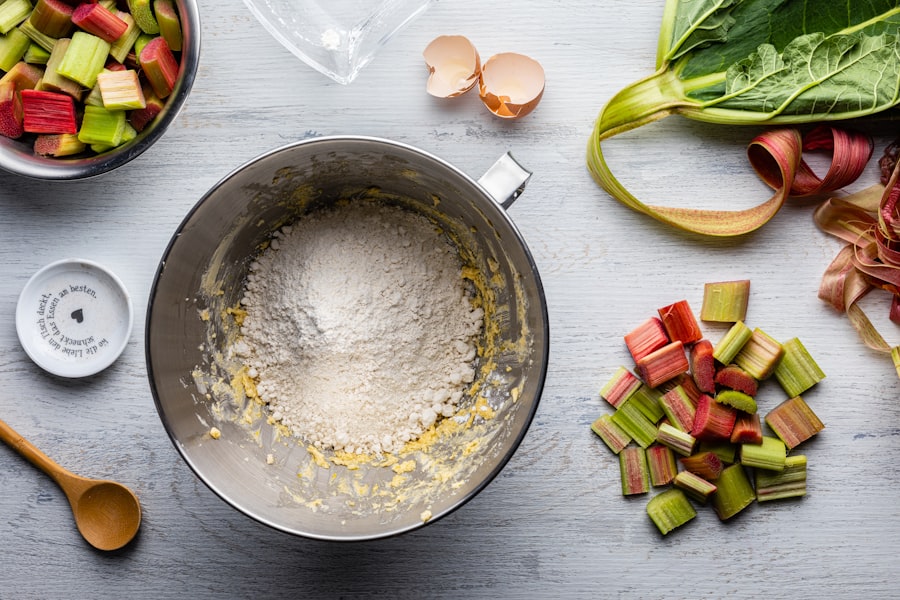
Dinner can often be the most challenging meal to prepare gluten-free, but with some planning, it can be both simple and delicious. One effective strategy is to prepare a large batch of a gluten-free casserole or stir-fry that can be portioned out for several meals.
For example, a vegetable and chicken stir-fry made with tamari instead of soy sauce can be cooked in bulk and served over rice or quinoa.
Another dinner option is to marinate proteins such as salmon or chicken in gluten-free sauces and then bake or grill them alongside seasonal vegetables. This method not only enhances flavor but also allows for easy cleanup. Preparing multiple servings at once means that dinner can be enjoyed throughout the week without the need for daily cooking.
If you’re looking to expand your gluten-free meal prep options, you might find inspiration in a delightful article about making peanut-studded milk chocolate brownies. These treats not only satisfy your sweet tooth but can also be a great addition to your meal prep routine. For a delicious recipe, check out the article here.
Tips for Successful Gluten-Free Meal Prep
Successful gluten-free meal prep requires careful planning and organization. One key tip is to read labels diligently when selecting ingredients, as many processed foods may contain hidden sources of gluten. Familiarizing oneself with gluten-free grains such as quinoa, rice, and buckwheat can also expand the range of options available for meal prep.
Another important aspect is to invest in quality storage containers that are airtight and suitable for freezing if necessary. Proper storage helps maintain the freshness of prepared meals and prevents spoilage. Additionally, dedicating a specific day each week for meal prep can streamline the process and make it easier to stick to a gluten-free diet.
Benefits of Gluten-Free Meal Prep
The benefits of gluten-free meal prep extend beyond dietary restrictions. One significant advantage is the time saved during busy weekdays when meals are already prepared and ready to eat. This convenience reduces the likelihood of resorting to unhealthy takeout options or processed foods that may contain gluten.
Moreover, meal prepping allows individuals to take control of their nutrition by choosing whole foods and fresh ingredients. This proactive approach not only supports overall health but also encourages mindful eating habits. By planning meals in advance, individuals can ensure they are meeting their nutritional needs while enjoying a variety of flavors and textures.
Conclusion and Final Thoughts
In conclusion, gluten-free meal prep offers a practical solution for those looking to maintain a balanced diet while avoiding gluten-containing foods. With a variety of recipes available for breakfast, lunch, dinner, snacks, and desserts, individuals can enjoy diverse meals without feeling restricted by their dietary choices. By implementing effective planning strategies and utilizing quality ingredients, anyone can successfully navigate the world of gluten-free meal prep.
As awareness of gluten sensitivities continues to grow, so does the importance of accessible meal options that cater to these needs. Embracing gluten-free meal prep not only simplifies daily routines but also promotes healthier eating habits overall. With dedication and creativity in the kitchen, individuals can thrive on a gluten-free diet while enjoying delicious meals every day.
FAQs
What are gluten-free meal prep recipes?
Gluten-free meal prep recipes are dishes specifically designed without gluten-containing ingredients, such as wheat, barley, and rye. These recipes focus on using naturally gluten-free foods like fruits, vegetables, meats, rice, and gluten-free grains to create easy and healthy meals that can be prepared in advance.
Why is meal prepping beneficial for a gluten-free diet?
Meal prepping helps individuals following a gluten-free diet save time, reduce stress, and avoid accidental gluten exposure. By preparing meals ahead of time, you can ensure that your food is safe, nutritious, and convenient, which supports better dietary adherence and overall health.
What are some common gluten-free ingredients used in meal prep recipes?
Common gluten-free ingredients include rice, quinoa, potatoes, corn, legumes, fresh fruits and vegetables, lean meats, fish, eggs, nuts, seeds, and gluten-free flours like almond or coconut flour. It is important to check labels to ensure processed ingredients are certified gluten-free.
How can I avoid cross-contamination when preparing gluten-free meals?
To avoid cross-contamination, use separate utensils, cutting boards, and cookware for gluten-free foods. Clean all surfaces thoroughly before cooking, store gluten-free ingredients separately, and be cautious when eating out or using shared kitchen spaces.
Are gluten-free meal prep recipes suitable for everyone?
Gluten-free meal prep recipes are essential for individuals with celiac disease or gluten sensitivity. While they can be healthy and nutritious for most people, those without gluten-related conditions do not necessarily need to follow a gluten-free diet unless advised by a healthcare professional.