


The Gin Elderflower Cocktail combines gin with elderflower liqueur to create a botanical-forward drink that has become increasingly popular in contemporary cocktail culture. The cocktail features gin as its base spirit, complemented by elderflower liqueur, which provides floral notes and sweetness. Common elderflower liqueur brands include St-Germain, which is produced in France using hand-picked elderflower blossoms.
Elderflower has been utilized in European cuisine and beverage production for several centuries, with historical records documenting its use in traditional cordials and culinary preparations. The liqueur is typically made by macerating elderflower blossoms in neutral spirits, resulting in a product with approximately 20% alcohol by volume and distinctive floral characteristics. The cocktail’s flavor profile balances the juniper and botanical elements inherent in gin with the sweet, honeyed notes of elderflower liqueur.
Standard preparation methods involve combining the spirits with additional ingredients such as citrus juice, simple syrup, or sparkling water, depending on the specific recipe variation. The drink is commonly served in a coupe glass or highball glass and may include garnishes such as lemon twist, lime wheel, or fresh herbs like thyme or rosemary. This cocktail represents the modern trend toward floral and botanical flavors in mixology, appealing to consumers seeking alternatives to traditional spirit-forward or overly sweet cocktails.
Key Takeaways
- The Gin Elderflower Cocktail combines floral elderflower flavors with the botanical notes of gin for a refreshing drink.
- Key ingredients include gin, elderflower liqueur, fresh lemon juice, and soda water.
- Preparation involves mixing the ingredients over ice, stirring gently, and garnishing appropriately.
- Tips for perfection include using quality gin, fresh ingredients, and balancing sweetness with acidity.
- Variations can include adding herbs or different garnishes, and the cocktail pairs well with light appetizers and seafood.
Ingredients for Gin Elderflower Cocktail
To craft a perfect Gin Elderflower Cocktail, one must gather a selection of high-quality ingredients that will contribute to the drink’s overall flavor profile. The primary components include gin, elderflower liqueur, fresh lemon juice, and tonic water or soda water. The choice of gin is crucial; a London Dry gin with its juniper-forward flavor works exceptionally well, while more contemporary gins infused with botanicals like cucumber or rose can add an interesting twist.
In addition to the main ingredients, garnishes play a significant role in elevating the cocktail’s presentation and flavor. Fresh herbs like mint or basil can add an aromatic quality, while slices of cucumber or lemon can enhance the drink’s refreshing nature.
For those looking to add a touch of elegance, edible flowers such as pansies or nasturtiums can be used as garnishes, providing both visual appeal and a hint of floral flavor. The balance between sweetness and acidity is also essential; therefore, using freshly squeezed lemon juice rather than bottled juice ensures a vibrant and zesty kick that complements the elderflower liqueur.
Step-by-step Recipe for Gin Elderflower Cocktail
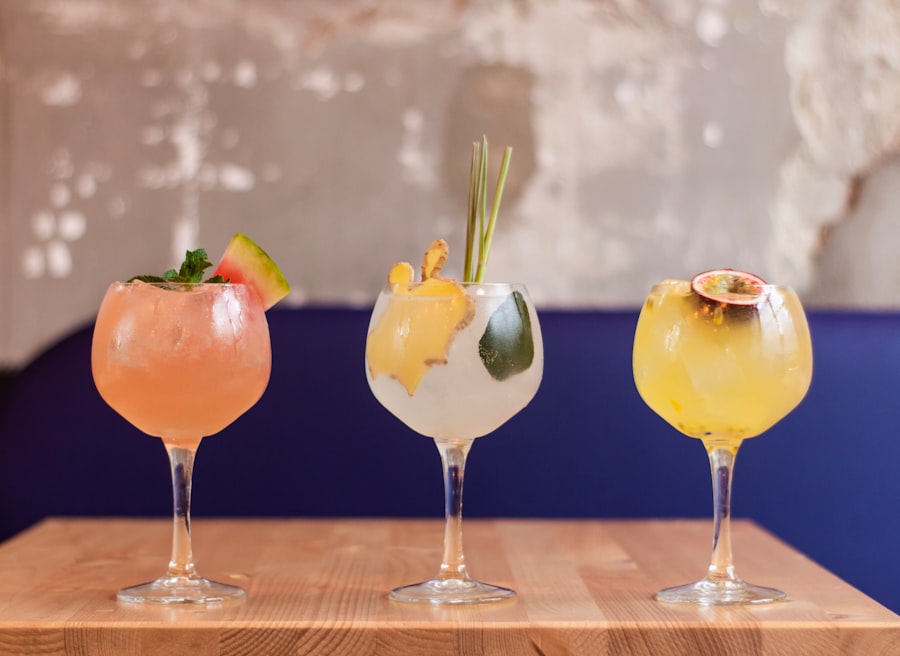
Creating a Gin Elderflower Cocktail is a straightforward process that requires minimal equipment and time. Begin by gathering your ingredients and tools: a cocktail shaker, a jigger for measuring, and a glass for serving. Start by filling the cocktail shaker with ice to chill the mixture effectively.
Measure out 2 ounces of your chosen gin and pour it into the shaker. Next, add 1 ounce of elderflower liqueur to the mix; this will provide the signature floral sweetness that defines the cocktail. Following this, squeeze half an ounce of fresh lemon juice into the shaker.
The acidity from the lemon juice will balance the sweetness of the elderflower liqueur and enhance the overall flavor profile. Secure the lid on the shaker and shake vigorously for about 15 seconds until well chilled. Once shaken, strain the mixture into a glass filled with ice—preferably a highball or Collins glass—to maintain its refreshing nature.
Finally, top off the drink with tonic water or soda water to your taste preference, giving it a light effervescence that makes it even more enjoyable.
Tips for Making the Perfect Gin Elderflower Cocktail
To ensure that your Gin Elderflower Cocktail reaches its full potential, consider several tips that can enhance both flavor and presentation.
Freshly squeezed lemon juice not only tastes better but also provides a brightness that bottled juices lack.
Additionally, using high-quality gin and elderflower liqueur will significantly impact the final product; opt for artisanal brands that prioritize natural ingredients over mass-produced options. Another important aspect is the temperature of your ingredients and glassware. Chilling your glass beforehand can help maintain the cocktail’s refreshing qualities longer.
You can do this by filling your glass with ice water while you prepare the drink; just remember to empty it before pouring in your cocktail. When it comes to garnishing, don’t shy away from creativity—experiment with different herbs and fruits to find combinations that resonate with your palate. A sprig of rosemary or a twist of lemon peel can add an aromatic element that enhances the drinking experience.
Variations and Garnishes for Gin Elderflower Cocktail
| Metric | Value | Unit |
|---|---|---|
| Alcohol by Volume (ABV) | 12 | % |
| Serving Size | 150 | ml |
| Calories | 180 | kcal |
| Gin Quantity | 50 | ml |
| Elderflower Liqueur Quantity | 25 | ml |
| Lemon Juice | 15 | ml |
| Sugar Syrup | 10 | ml |
| Garnish | Mint Leaves | — |
While the classic Gin Elderflower Cocktail is delightful on its own, there are numerous variations that can cater to different tastes and occasions. For instance, you might consider adding muddled fruits such as strawberries or raspberries to introduce additional layers of flavor and color. This not only enhances the visual appeal but also adds a fruity sweetness that pairs beautifully with elderflower.
Another variation involves substituting gin with vodka for those who prefer a smoother base spirit; this allows the elderflower liqueur to shine even more prominently. Garnishes can also be tailored to suit personal preferences or seasonal availability. In spring and summer, fresh edible flowers like violets or borage can add a whimsical touch to your cocktail.
Alternatively, during autumn months, consider incorporating spices such as cinnamon or nutmeg into your drink for a warm twist on this refreshing classic. A sprig of thyme or rosemary can provide an earthy contrast to the floral notes, creating a more complex flavor profile that intrigues the palate.
Serving and Presentation of Gin Elderflower Cocktail
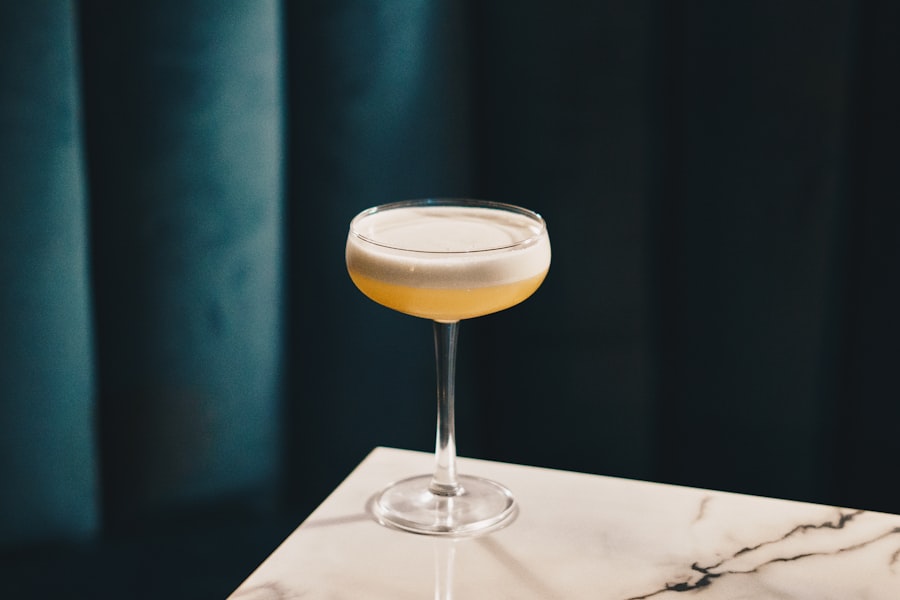
The presentation of a Gin Elderflower Cocktail is just as important as its taste; after all, we eat (and drink) with our eyes first. When serving this cocktail, consider using elegant glassware such as coupe glasses or highball glasses that showcase its vibrant colors. A clear glass allows the beautiful hues of the drink to shine through, especially when garnished with colorful fruits or herbs.
For an added touch of sophistication, you might rim your glass with sugar before pouring in the cocktail; this not only enhances visual appeal but also adds an extra layer of sweetness. When it comes to garnishing your cocktail, think about balance and harmony in flavors and colors. A simple garnish like a lemon wheel or cucumber slice can be effective, but don’t hesitate to get creative with your presentation.
For example, you could skewer small pieces of fruit on a cocktail pick alongside fresh herbs for an eye-catching display. Additionally, consider serving your Gin Elderflower Cocktail on a decorative tray with complementary snacks or appetizers to create an inviting atmosphere for your guests.
Pairing Suggestions for Gin Elderflower Cocktail
Pairing food with cocktails can elevate both experiences significantly, and the Gin Elderflower Cocktail is no exception. Its light and floral notes make it an excellent companion for various dishes, particularly those featuring fresh ingredients or delicate flavors. For starters, consider pairing it with light appetizers such as goat cheese crostini topped with honey and fresh herbs; the creaminess of the cheese complements the floral notes while enhancing the overall experience.
Seafood dishes also pair wonderfully with this cocktail; think along the lines of grilled shrimp skewers drizzled with lemon or a light ceviche made from fresh fish marinated in citrus juices. The acidity from these dishes harmonizes beautifully with the elderflower liqueur’s sweetness while allowing the gin’s botanicals to shine through. For dessert pairings, consider light options like fruit tarts or sorbets that echo the cocktail’s refreshing qualities without overwhelming it.
Conclusion and Final Thoughts on Gin Elderflower Cocktail
The Gin Elderflower Cocktail stands out as a quintessential drink that captures both elegance and refreshment in every sip. Its unique combination of gin and elderflower liqueur creates a delightful balance between floral sweetness and herbal complexity, making it suitable for various occasions—from casual gatherings to formal celebrations. With its straightforward preparation process and versatility in variations and garnishes, this cocktail invites creativity while remaining accessible to both novice mixologists and seasoned bartenders alike.
As you explore this delightful beverage further, remember that experimentation is key; feel free to adjust ingredients according to personal taste preferences or seasonal availability. Whether you choose to stick with the classic recipe or venture into creative variations, one thing remains certain: the Gin Elderflower Cocktail is sure to impress anyone fortunate enough to indulge in its refreshing charm.
If you’re looking to elevate your gin elderflower cocktail experience, you might want to explore the delightful flavors of summer with a refreshing dessert. Check out this article on Sweet Frosé: Strawberry Desserts That Taste Like Summer, which offers a perfect pairing to your cocktail, enhancing the overall enjoyment of your warm-weather gatherings.
FAQs
What ingredients are typically used in a gin elderflower cocktail?
A gin elderflower cocktail usually includes gin, elderflower liqueur or cordial, fresh lemon juice, and a sweetener such as simple syrup. It is often garnished with fresh herbs or edible flowers.
What type of gin is best for an elderflower cocktail?
A floral or citrus-forward gin pairs well with elderflower flavors. London Dry gin or a botanical gin with notes of juniper, citrus, and herbs are popular choices.
Is elderflower cordial the same as elderflower liqueur?
No, elderflower cordial is a non-alcoholic syrup made from elderflowers, sugar, and water, while elderflower liqueur contains alcohol and is typically sweeter and more concentrated.
Can I make a gin elderflower cocktail without alcohol?
Yes, you can create a non-alcoholic version by substituting gin with a non-alcoholic gin alternative or simply using elderflower cordial mixed with soda water and lemon juice.
How should a gin elderflower cocktail be served?
It is commonly served chilled in a cocktail glass or a highball glass over ice, often garnished with a lemon twist, fresh mint, or edible flowers.
What occasions are suitable for serving a gin elderflower cocktail?
This cocktail is ideal for spring and summer gatherings, brunches, garden parties, and celebrations due to its light, floral, and refreshing taste.
Can I use fresh elderflowers instead of elderflower liqueur or cordial?
Yes, fresh elderflowers can be infused into syrups or spirits, but they require proper preparation and caution as raw elderflowers need to be handled correctly to avoid toxicity.
Is the gin elderflower cocktail gluten-free?
Most gin and elderflower liqueurs or cordials are gluten-free, but it is important to check the labels of specific brands to ensure there are no gluten-containing additives.
How can I adjust the sweetness of a gin elderflower cocktail?
You can modify the sweetness by adjusting the amount of elderflower liqueur or cordial used, or by adding simple syrup or lemon juice to balance the flavors to your preference.