


The history of French desserts is a rich tapestry woven from centuries of culinary evolution, cultural exchange, and regional diversity. The roots of French patisserie can be traced back to the Middle Ages, when sweet dishes were often reserved for the nobility. During this period, sugar was a rare and expensive commodity, making desserts a symbol of wealth and status. The introduction of sugar to France in the 13th century marked a significant turning point, as it became more accessible and began to influence the culinary landscape. By the Renaissance, the art of dessert-making had gained prominence, with chefs experimenting with new ingredients and techniques.
The 17th and 18th centuries saw the rise of elaborate desserts, particularly in the royal courts. The influence of Italian cuisine, especially through the work of chefs like François Pierre La Varenne, helped to refine French pastry techniques. This era also witnessed the emergence of iconic desserts such as macarons and éclairs. The French Revolution in the late 18th century democratized access to these sweet treats, allowing a broader segment of society to enjoy what was once reserved for the elite. As culinary schools began to formalize training in pastry arts, the foundation for modern French desserts was laid.
If you’re looking to expand your culinary repertoire beyond classic French desserts like crème brûlée, you might find inspiration in a delightful article about a refreshing Citrus Ginger Tofu Salad with Buckwheat Soba Noodles. This recipe offers a vibrant contrast to the richness of traditional desserts, showcasing how diverse and exciting cooking can be. To explore this unique dish, check out the article here.
Key Takeaways
- French desserts have a rich history rooted in royal and regional traditions.
- Creme Brûlée involves a delicate balance of creamy custard and caramelized sugar topping.
- There are many variations of Creme Brûlée, including flavored and ingredient substitutions.
- Classic French desserts extend beyond Creme Brûlée to include items like soufflé and tarte Tatin.
- Modern twists and expert tips enhance traditional recipes, while pairing desserts with wines elevates the experience.
The Art of Making Creme Brûlée
Creme brûlée is a classic French dessert that exemplifies the balance between simplicity and sophistication. At its core, this dish consists of a rich custard base topped with a layer of caramelized sugar. The process begins with the careful preparation of the custard, which typically includes heavy cream, egg yolks, sugar, and vanilla. The key to achieving a smooth texture lies in gently heating the cream and whisking it into the egg yolks without scrambling them. This technique requires patience and precision, as overcooking can lead to an undesirable consistency.
Once the custard is prepared, it is poured into ramekins and baked in a water bath to ensure even cooking. This method helps maintain a delicate texture while preventing the custard from curdling. After baking, the custards must cool before being topped with sugar and caramelized using a kitchen torch or broiler. The contrast between the creamy custard and the crisp, burnt sugar layer is what makes creme brûlée particularly appealing. Mastering this dessert involves not only technical skill but also an understanding of flavor balance and presentation.
Variations of Creme Brûlée
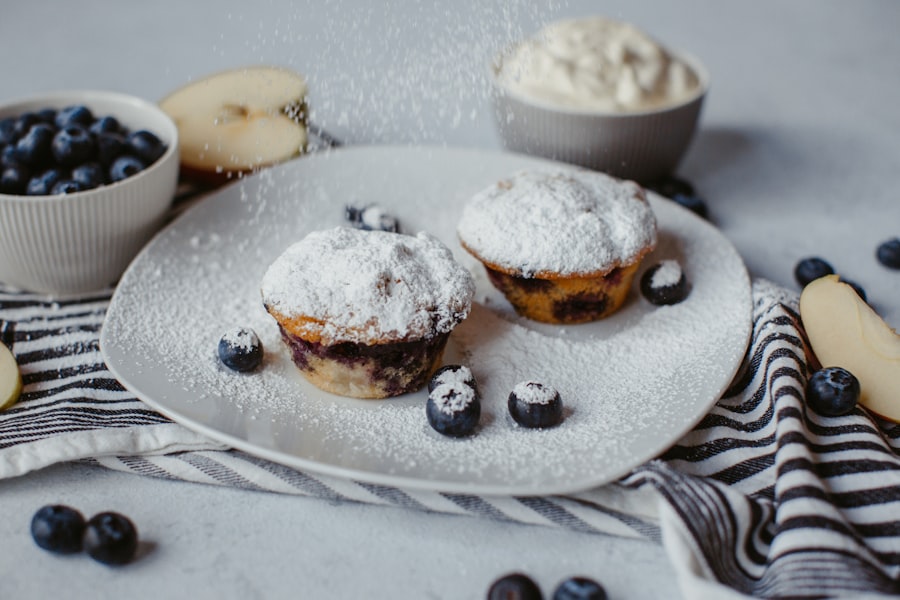
While traditional creme brûlée remains a favorite, numerous variations have emerged that showcase different flavors and ingredients. One popular adaptation incorporates seasonal fruits, such as berries or citrus, which can be infused into the custard or served alongside it. For instance, a lemon-infused creme brûlée offers a refreshing twist that brightens the rich custard with zesty notes. Similarly, incorporating spices like cinnamon or cardamom can add warmth and complexity to the dish.
Another variation involves using alternative dairy products or sweeteners to cater to dietary preferences. Coconut milk can create a dairy-free version that retains the creamy texture while imparting a subtle tropical flavor. Additionally, some recipes experiment with chocolate or coffee, resulting in decadent versions that appeal to chocolate lovers or caffeine enthusiasts. These variations not only highlight the versatility of creme brûlée but also reflect contemporary culinary trends that prioritize innovation while respecting tradition.
Other Classic French Desserts
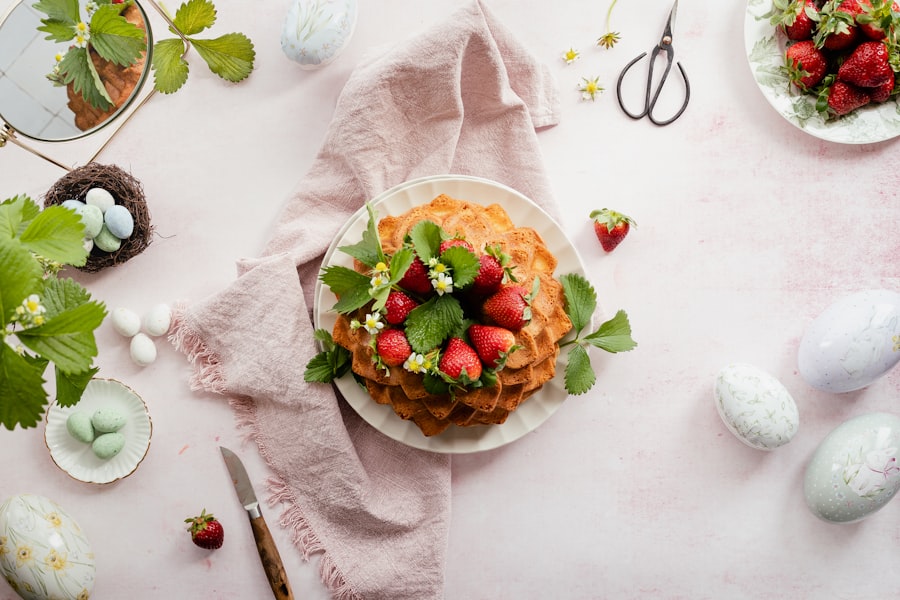
Beyond creme brûlée, French cuisine boasts an array of classic desserts that have stood the test of time. Tarte Tatin, for example, is an upside-down caramelized apple tart that originated in the Loire Valley. Its creation is often attributed to the Tatin sisters, who accidentally invented it while trying to prepare an apple pie. The combination of buttery pastry and sweet, caramelized apples has made it a beloved staple in French patisserie.
Another iconic dessert is the soufflé, which can be prepared as either a sweet or savory dish. Sweet soufflés often feature flavors like chocolate or vanilla and are characterized by their airy texture achieved through whipped egg whites.
The delicate rise of a soufflé is both an art and a science, requiring precise timing and temperature control during baking.
Other notable mentions include macarons—colorful almond meringue cookies filled with ganache or buttercream—and clafoutis, a baked custard dish traditionally made with cherries. Each of these desserts reflects regional influences and showcases the diversity within French pastry traditions.
If you’re exploring the delightful world of French desserts, you might also enjoy a refreshing twist on flavors with a simple yet delicious salad. For a perfect complement to your sweet creations, check out this salad recipe that combines crisp cucumbers and tangy red onions, providing a light contrast to rich desserts like crème brûlée. This balance of flavors can elevate your dining experience, making it even more memorable.
Modern Twists on Traditional French Desserts
| Dessert | Main Ingredients | Preparation Time | Cooking Time | Difficulty Level | Calories (per serving) | Popular Variations |
|---|---|---|---|---|---|---|
| Crème Brûlée | Heavy cream, egg yolks, sugar, vanilla bean | 15 minutes | 40 minutes | Medium | 300 | Classic vanilla, chocolate, coffee, lavender |
| Clafoutis | Cherries, eggs, milk, flour, sugar | 10 minutes | 45 minutes | Easy | 250 | Cherry, plum, apple, pear |
| Tarte Tatin | Apples, puff pastry, butter, sugar | 20 minutes | 40 minutes | Medium | 350 | Apple, pear, peach |
| Madeleines | Flour, eggs, butter, sugar, lemon zest | 15 minutes | 12 minutes | Easy | 150 | Classic lemon, chocolate, almond |
| Soufflé | Eggs, sugar, milk, flour, chocolate (optional) | 20 minutes | 25 minutes | Hard | 280 | Chocolate, Grand Marnier, cheese |
In recent years, chefs have begun to reinterpret traditional French desserts by incorporating global flavors and contemporary techniques. This trend has led to innovative creations that maintain the essence of classic recipes while introducing new elements. For instance, matcha-infused macarons have gained popularity, combining the delicate texture of traditional macarons with the earthy flavor of green tea powder.
Additionally, fusion desserts have emerged as chefs experiment with combining French techniques with other culinary traditions. A notable example is the croissant-doughnut hybrid known as the “cronut,” which has captured attention for its flaky layers and sweet fillings. Such modern twists not only appeal to adventurous palates but also reflect a broader trend in gastronomy where boundaries between cuisines are increasingly blurred.
Tips for Perfecting French Dessert Recipes
Achieving success in French dessert-making requires attention to detail and an understanding of fundamental techniques. One essential tip is to use high-quality ingredients; fresh eggs, pure vanilla extract, and premium chocolate can significantly enhance flavor and texture. Additionally, precise measurements are crucial in baking, where even slight deviations can affect the final product.
Temperature control is another critical factor when preparing French desserts. For instance, ingredients should be at room temperature unless specified otherwise in a recipe; this ensures better emulsification and consistency in batters and creams. When baking items like soufflés or meringues, maintaining an even oven temperature is vital for achieving desired results.
Lastly, practice is key—many classic French desserts require repetition to master techniques such as folding egg whites or achieving the perfect caramelization.
Pairing French Desserts with Wines and Spirits
Pairing French desserts with appropriate wines or spirits can elevate the dining experience by enhancing flavors and creating balance on the palate. For instance, a rich chocolate mousse pairs well with a robust red wine like Cabernet Sauvignon or a sweet dessert wine such as Port. The tannins in red wine complement the richness of chocolate while adding depth to each bite.
For lighter desserts like fruit tarts or sorbets, consider pairing them with sparkling wines such as Champagne or Prosecco. The effervescence cuts through sweetness and refreshes the palate between bites. Additionally, dessert wines like Sauternes or Muscat can enhance fruity flavors in dishes like clafoutis or panna cotta. Understanding these pairings allows for thoughtful combinations that enhance both dessert and beverage.
Serving and Presentation of French Desserts
The presentation of French desserts plays a significant role in their enjoyment, as visual appeal can heighten anticipation and enhance the overall experience. When serving desserts like tartes or cakes, consider using elegant platters or individual serving dishes that showcase their beauty. Garnishes such as fresh fruit, edible flowers, or chocolate shavings can add color and texture while providing an inviting aesthetic.
For desserts like mousse or panna cotta served in glasses or jars, layering ingredients can create visual interest while allowing diners to appreciate different textures and flavors in each spoonful. Additionally, attention should be paid to portion sizes; smaller servings can encourage guests to sample multiple desserts without feeling overwhelmed. Ultimately, thoughtful presentation not only enhances enjoyment but also reflects the artistry inherent in French pastry traditions.
FAQs
What is crème brûlée?
Crème brûlée is a classic French dessert consisting of a rich custard base topped with a layer of hardened caramelized sugar. It is typically flavored with vanilla and served chilled.
How do you make the caramelized sugar topping on crème brûlée?
The caramelized sugar topping is made by sprinkling a thin layer of granulated sugar over the custard and then using a kitchen torch or broiler to melt and caramelize the sugar until it forms a crisp, golden-brown crust.
What are some common variations of French desserts beyond crème brûlée?
Other popular French desserts include tarte Tatin (upside-down caramelized apple tart), mousse au chocolat (chocolate mousse), clafoutis (baked fruit custard), and madeleines (small sponge cakes).
Can crème brûlée be made without a kitchen torch?
Yes, if you do not have a kitchen torch, you can caramelize the sugar topping by placing the custard dishes under a broiler for a few minutes. However, this method requires careful monitoring to avoid burning.
What ingredients are essential for making traditional crème brûlée?
The essential ingredients for traditional crème brûlée are heavy cream, egg yolks, granulated sugar, and vanilla extract or vanilla bean. These create the creamy custard and the sweet caramelized topping.