


In recent years, the conversation around nutrition has shifted significantly, with an increasing emphasis on the importance of healthy snacking. As people become more aware of the impact of their dietary choices on overall health, the demand for nutritious snack options has surged. Healthy snack recipes not only provide a way to satisfy hunger between meals but also serve as an opportunity to incorporate essential nutrients into one’s diet. This article explores various aspects of healthy snacking, including its benefits, quick and easy ideas, and recipes tailored to different dietary preferences.
Healthy snacks can be defined as those that offer nutritional value while being low in added sugars, unhealthy fats, and empty calories. They can be made from whole foods such as fruits, vegetables, nuts, seeds, and whole grains. The goal is to create snacks that are not only enjoyable but also contribute positively to one’s health. By focusing on wholesome ingredients and balanced recipes, individuals can make informed choices that support their well-being.
If you’re looking to complement your healthy snack repertoire, you might find inspiration in another delightful treat: mini pineapple upside-down cakes.
These bite-sized desserts offer a sweet yet nutritious option that can be enjoyed any time of the day.
To explore this delicious recipe, check out the article here: Mini Pineapple Upside-Down Cakes.
Key Takeaways
- Healthy snacks support overall well-being and provide essential nutrients between meals.
- Incorporating quick, easy, and nutritious ingredients makes snacking both convenient and beneficial.
- A variety of sweet and savory recipes cater to diverse taste preferences and dietary needs.
- Tailoring snacks to specific diets like vegan or gluten-free ensures inclusivity and health.
- Practicing portion control and mindful eating enhances the positive impact of healthy snacking.
Benefits of Healthy Snacking
Healthy snacking can play a crucial role in maintaining energy levels throughout the day. When individuals consume balanced snacks, they can prevent the energy dips that often occur between meals. This is particularly important for those with busy lifestyles or demanding schedules. By choosing snacks that are rich in protein, fiber, and healthy fats, individuals can sustain their energy and improve their focus and productivity.
In addition to providing energy, healthy snacks can also aid in weight management. When people opt for nutritious options instead of processed snacks high in sugar and unhealthy fats, they are more likely to feel satisfied and less prone to overeating during main meals. Furthermore, incorporating a variety of healthy snacks can help individuals meet their daily nutritional needs, ensuring they receive essential vitamins and minerals that support overall health.
Quick and Easy Snack Ideas
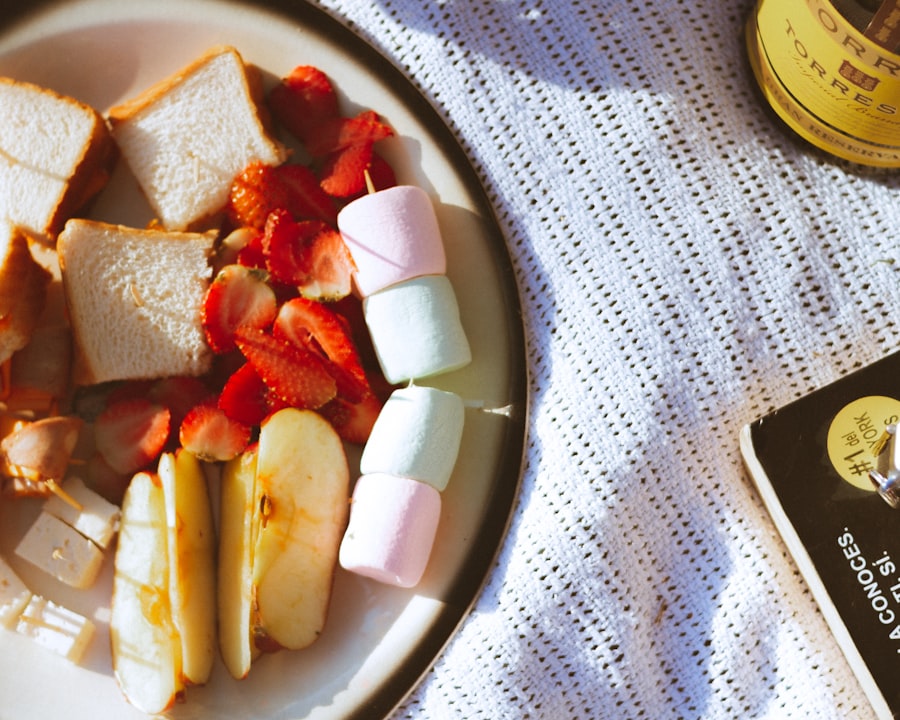
For those with busy schedules, quick and easy snack ideas are essential. One popular option is yogurt topped with fresh fruit and a sprinkle of granola. This combination offers a balance of protein, carbohydrates, and healthy fats, making it a satisfying choice. Another simple idea is to prepare vegetable sticks such as carrots, cucumbers, or bell peppers paired with hummus or a yogurt-based dip. This not only provides crunch but also adds fiber and essential nutrients.
Another quick snack option is a handful of mixed nuts or seeds. These are nutrient-dense and can be easily portioned for on-the-go consumption. For those who prefer something sweet, energy balls made from oats, nut butter, and honey can be prepared in advance and stored for easy access. These snacks are versatile and can be customized with various add-ins like dried fruit or dark chocolate chips.
Nutritious Ingredients to Include in Snack Recipes
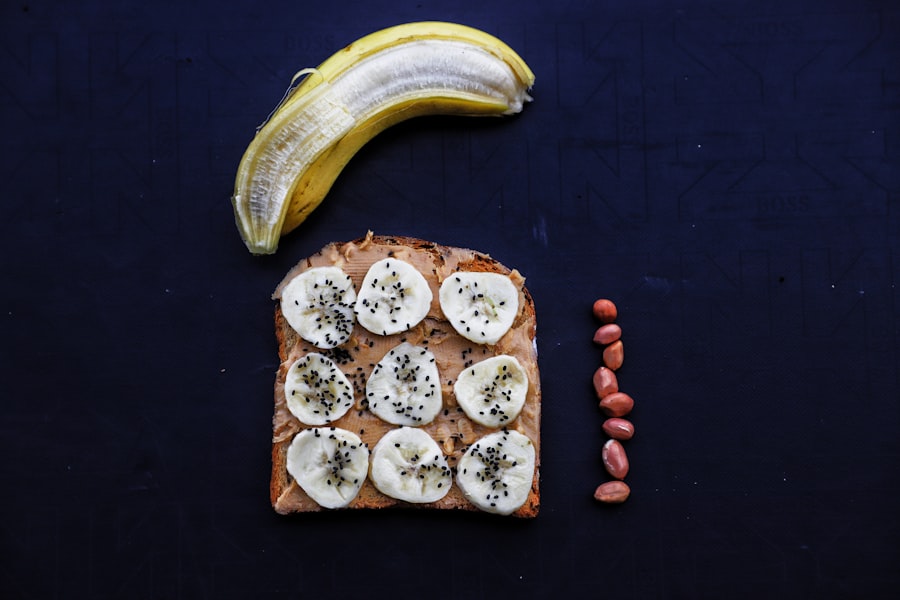
When creating healthy snacks, it is important to focus on nutritious ingredients that provide a range of health benefits. Whole grains such as oats, quinoa, and brown rice are excellent sources of fiber and can help keep you feeling full longer. Incorporating these grains into snack recipes can enhance their nutritional profile while adding texture.
Fruits and vegetables are also key components of healthy snacks. They are low in calories but high in vitamins, minerals, and antioxidants. Berries, apples, bananas, carrots, and leafy greens can all be used creatively in various recipes. Additionally, incorporating sources of healthy fats such as avocados, nuts, and seeds can provide satiety and flavor to snacks while supporting heart health.